
Prioritize owned-channel personalization paired with one low-friction interactive campaign tied directly to renewals. That single move outperforms scattered social posting because it converts attention into a database you control, and Deloitte's research on year-round fan engagement found that more than 60% of fans say a strong offseason experience increases their engagement heading into the next season.
Start these five things in the next 72 hours:
- Launch one segmented renewal email to lapsed ticket holders with a single, clear offer.
- Add an SMS opt-in prompt to your app's home screen and one social bio link.
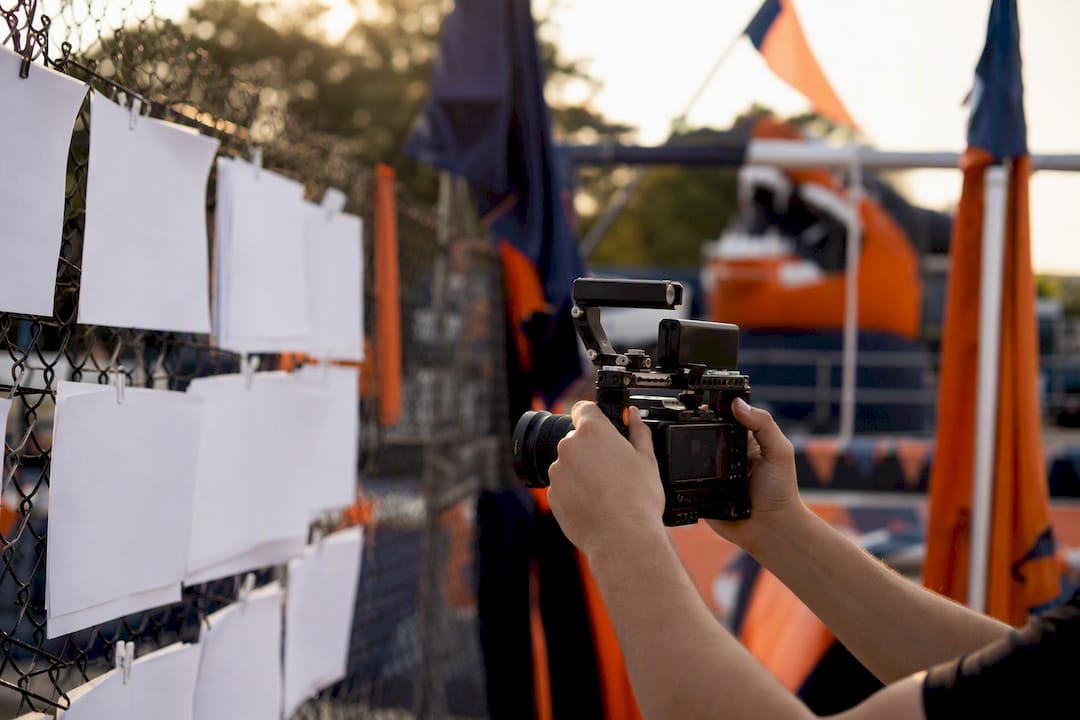
- Publish one behind-the-scenes short-form video shot on a phone, no production budget required.
- Open one low-cost interactive drop: a bracket, poll, or prediction game tied to a real date on the calendar.
- Tag every click with a UTM so week-one data tells you what to scale.
Expected outcome: a measurable lift in email opt-in rate and renewal-page click-through within two weeks, not a vague "brand awareness" bump.
Pro Tip: Build your renewal email around one question fans actually want answered ("Who do we draft?") rather than a generic "thanks for a great season" message. Curiosity converts better than gratitude.
Key Takeaways
Offseason fan engagement works when teams pair segmented, personalized outreach with one measurable interactive campaign tied directly to renewal and merchandise goals.
| Point | Details |
|---|---|
| Start with segmentation | Split fans by purchase history and engagement recency before writing a single email. |
| Ship one interactive test | Launch a low-cost prediction, poll, or contest within 72 hours and measure opt-in rate. |
| Wire attribution early | Tag every entry point with UTMs tied to CRM records so renewal impact is traceable. |
| Build crisis protocols now | Prepare a holding statement template before a trade or roster surprise forces a rushed response. |
| Reuse assets across channels | Cut one video or contest asset into email, app, and sponsor-branded versions to cut production cost. |
Table of Contents
- What Are the Highest-Impact Offseason Fan Engagement Tactics?
- How Often Should You Post During the Offseason?
- Which KPIs Prove Offseason Engagement Is Working?
- How Do You Run an Interactive Contest That Feeds Renewals?
- Why Offseason Engagement Protects Ticket and Merchandise Revenue
- How Should You Use Fan Data to Personalize Offseason Outreach?
- What Loyalty Mechanics and Sponsor Tie-Ins Work Best Offseason?
- How Should Teams Handle Fan Communication During Offseason Crises?
- How Should Teams Plan for Trades, Injuries, and Roster Surprises?
- An Editorial Take on Offseason Fan Engagement
- Frequently Asked Questions
- Sources
What Are the Highest-Impact Offseason Fan Engagement Tactics?
Not every tactic deserves equal attention. Rank them by how close they sit to revenue and how fast you can ship them.
- Segmented renewal flows. Split lapsed, at-risk, and loyal buyers into separate email/SMS tracks. This is the single fastest path to protecting season-ticket revenue.
- Limited merch drops. A capsule collection tied to a milestone (draft night, an anniversary) creates urgency without waiting for the season to start.
- App-first micro-episodes. Short, serialized video content keeps the app relevant when there's no game to check scores for.
- Interactive predictions and polls. Draft-pick predictions or trade guesses cost little and generate first-party data on fan sentiment.
- Fan-driven design contests. Crowdsourcing a jersey or logo element turns passive fans into invested participants.
- Multilingual short-form series. Native-language content opens engagement with fan segments English-only content misses entirely.
- Community watch parties. Draft-night or free-agency watch events at team venues or local bars rebuild in-person habits before ticket sales open.
- Sponsor activations tied to moments. Pair a sponsor's product with a specific offseason event (draft predictions, trade deadline) instead of a generic logo placement.
- Puzzle and trivia formats. Low-cost, habit-forming content that fits naturally into an app or embedded widget, similar to the mechanics behind sports puzzle games.
- Leaderboard-driven contests. Competitive rankings turn a one-time interaction into a returning habit, the same principle behind leaderboard gamification.
TriMark Digital's guidance backs this ranking: pivot away from direct sales pitches in the offseason and prime audiences with useful content so leads are warm when renewal season hits. Life Inside's practitioner research pushes the same filter: rank ideas by revenue proximity, data cost, and effort-to-ship, and reuse one asset, like a single video template, across email, app, and sponsor placements to multiply its value.
Pro Tip: Shoot one behind-the-scenes video and cut it three ways: a 15-second app teaser, a 60-second email embed, and a sponsor-branded version. One shoot, three placements.
How Often Should You Post During the Offseason?
Cadence beats volume. Aim for weekly short-form social content, biweekly owned email or SMS touches, and monthly in-app activations tied to a real milestone.
An 8-week starter calendar:
- Weeks 1 to 2: Launch a renewal-focused email plus a social teaser for an upcoming interactive drop.
- Weeks 3 to 4: Run the interactive campaign (prediction game, poll, or contest) with a mid-campaign push to non-openers.
- Weeks 5 to 6: Release a behind-the-scenes micro-episode and a limited merch drop tied to a milestone like the draft.
- Weeks 7 to 8: Send a preseason conversion nudge with a ticket or package offer to engaged segments only.
Assets to build in week zero:
- One email template and one SMS opt-in flow.
- One short-form video shot list.
- One microsite or embedded widget for the interactive drop.
Segment cadence by intent: renewal audiences get weekly touches, merch buyers get milestone-triggered drops, and casual fans get monthly content only, per the runway logic behind list-building that compounds into stronger opening-week numbers.
Which KPIs Prove Offseason Engagement Is Working?
Track renewal rate lift, offseason app engagement (DAU/WAU), merch conversion rate, and sponsor activation completions as your primary signals. Secondary indicators, customer lifetime value change, churn rate, and sentiment shifts, tell you whether engagement is compounding or just spiking.
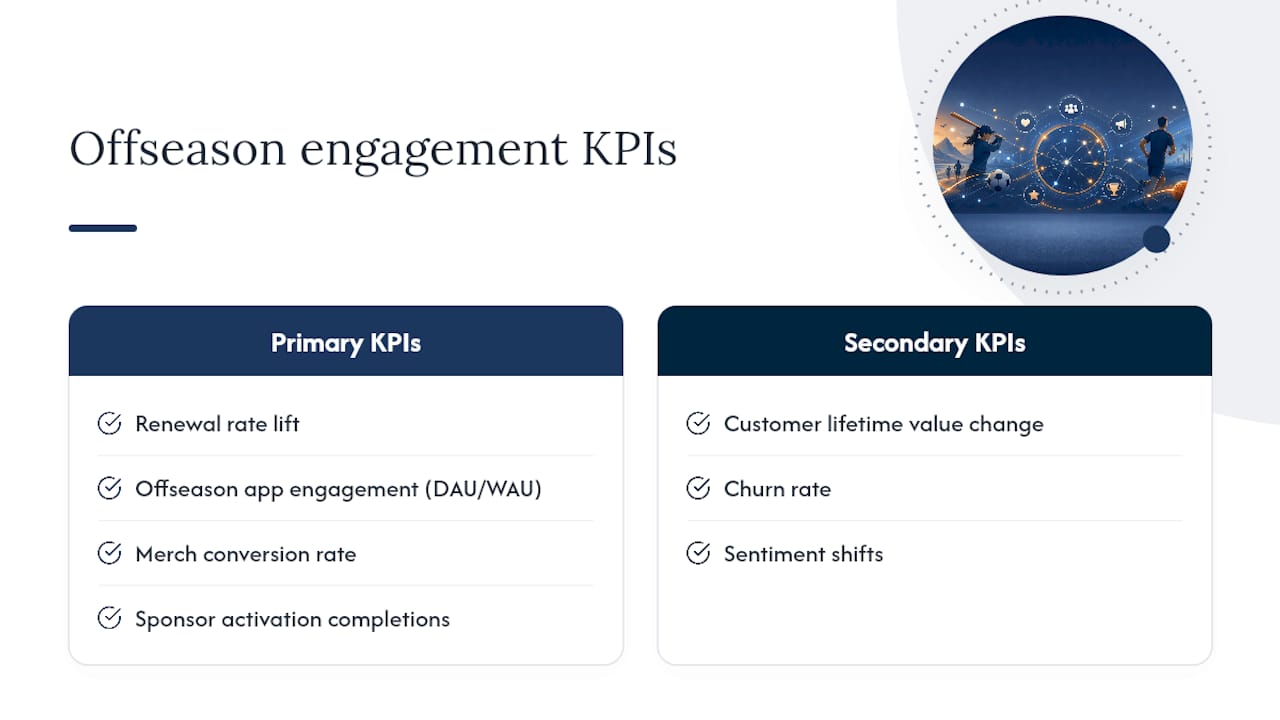
Wire attribution before launch: tag every opt-in, event RSVP, and microsite conversion with a UTM, then tie that tag to the fan's CRM record so you can trace a draft-night poll click all the way to a season-ticket renewal.
Contest Rules, Privacy, and Platform Basics You Cannot Skip
Before launching any contest or giveaway, lock down the basics:
- Written contest rules covering eligibility, age and location restrictions, winner selection method, and recordkeeping.
- A single-purpose opt-in for each data collection point, mapped to the smallest CRM schema needed to run the campaign.
- A privacy checklist covering consent handling and data retention timelines.
- A quick read of each platform's own contest and sweepstakes rules before posting, since Instagram, TikTok, and Facebook each enforce different requirements.
Pro Tip: Use one narrow opt-in per campaign instead of one broad "join our list" checkbox. It's easier to get legal sign-off, and it keeps your CRM schema clean.
Two Offseason Campaigns Worth Copying
The Kansas City Chiefs built a nine-episode Spanish-language micro-novela called El Offseason, distributed across Instagram, TikTok, and YouTube to reach fans in Mexico, Spain, and the U.S. during a dead period. Watch episode completion rate and follower growth in new-language markets as the KPI, and copy the format by scripting a short, recurring character-driven series instead of one-off clips.
The New York Islanders ran a fan-driven design contest for a third jersey, using public voting and digital design tools to crowdsource the winning look. Track submission volume and voting participation, and copy the mechanic by giving fans a real creative stake, not just a poll about colors.
How Do You Run an Interactive Contest That Feeds Renewals?
- Define one objective: renewal opt-ins, email list growth, or merch pre-orders. Pick only one.
- Segment the audience: target lapsed ticket holders separately from casual social followers.
- Design prize economics that favor digital or experiential rewards over physical inventory.
- Choose a lightweight platform: an embeddable microsite works better than a heavy custom build.
- Run the legal check: confirm contest rules and platform compliance before the launch date.
- Wire UTM tags and CRM fields so every entry maps to a fan record.
- Set your measurement plan: define the scale threshold before launch, not after.
- Follow up within 48 hours of the contest closing with a renewal or merch offer to every entrant.
For integrations, connect your ticketing/CRM system, e-commerce checkout, and app push notifications so a contest entry can trigger a follow-up sequence automatically.
Pro Tip: Weight your prize mix toward digital access (early ticket windows, virtual meet-and-greets) over physical merchandise. It maximizes opt-ins while keeping fulfillment costs near zero.
Why Offseason Engagement Protects Ticket and Merchandise Revenue
Fan attention doesn't pause just because the schedule does. Academic research on fan behavior found that offseason engagement functions as a bridge to engagement in the following season, with content value and source credibility predicting whether a fan renews or attends preseason events.
That bridge effect shows up directly in Deloitte's numbers: many surveyed fans said a strong year-round experience increases their likelihood of attending spring events, not just regular-season games. Skip the offseason, and you're not pausing marketing, you're handing that window to competing entertainment options, streaming platforms, other sports, or simply apathy.
The revenue case is straightforward. Season-ticket renewal windows open before most teams have played a single game the following year. A fan who stayed engaged through a trade rumor cycle or a jersey design vote arrives at that renewal email already warm. A fan who heard nothing from you for four months arrives cold, and cold leads convert at a fraction of the rate.
Merchandise follows the same logic. A limited drop tied to draft night sells because it rides real fan attention, not because the product itself is different from what you'd sell in October. The offseason isn't dead time. It's runway, and how you use it determines whether opening week feels like a cold start or a running start.
How Should You Use Fan Data to Personalize Offseason Outreach?
Segmentation is the difference between a campaign that feels relevant and one that feels like spam. Split your list by at least three dimensions: purchase history (season-ticket holder, single-game buyer, merch-only), engagement recency (active in the last 30 days versus dormant for a year), and stated preference (favorite player, preferred communication channel).
Email and push cadence should scale with intent. High-intent segments, renewal-eligible fans, get weekly touches. Merch-only buyers get milestone-triggered messages. Casual or dormant fans get a lighter monthly touch designed to re-engage rather than sell.
CRM activation ties this together. Every offseason interaction, a poll click, a contest entry, a video view, should write back to the fan's record as a signal, not just a vanity metric. A fan who completes three interactive activations in one month is a different renewal target than one who's gone silent, and your CRM should flag that difference automatically so your sales team knows who to call first.
The mistake most teams make is treating personalization as a content problem when it's actually a data-plumbing problem. You can write the perfect email, but if it goes to a segment that hasn't been updated since last season, it lands flat. Fix the segmentation logic first. The messaging gets easier once the targeting is right.
What Loyalty Mechanics and Sponsor Tie-Ins Work Best Offseason?
Points-based rewards programs work in the offseason precisely because there's less competing content demanding a fan's attention. A rewards structure that lets fans earn points for completing a prediction game, watching a micro-episode, or referring a friend keeps the loyalty loop alive without needing a live game to anchor it.
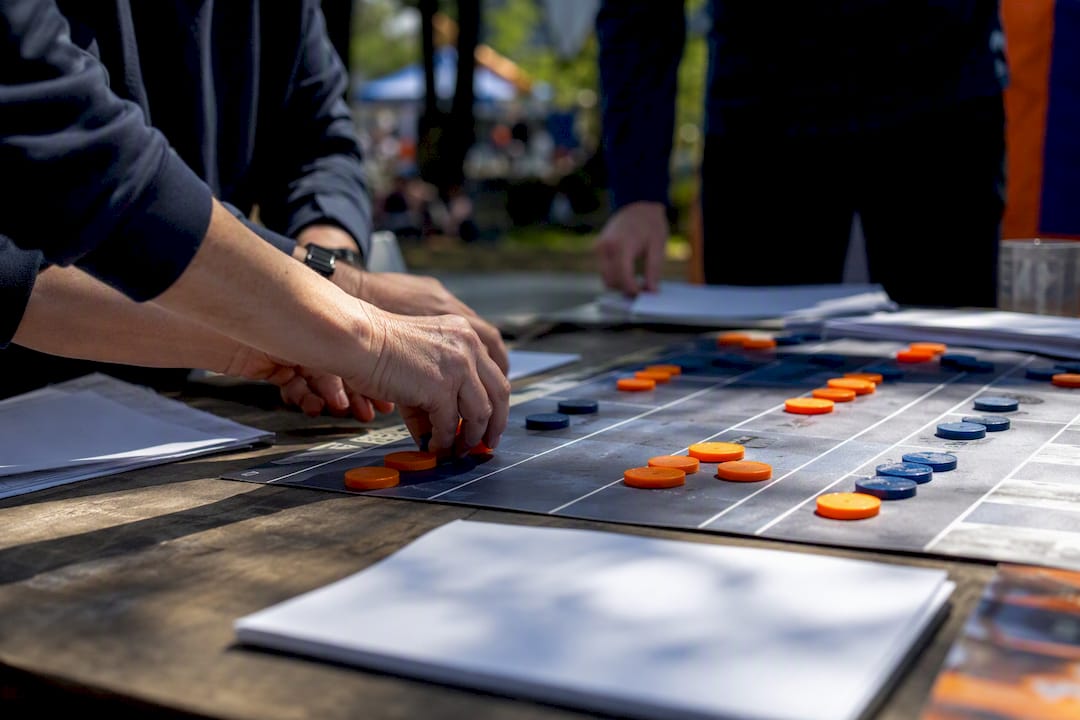
Tie sponsor activations to specific offseason moments rather than generic branding. A sponsor's logo on a static graphic gets ignored. A sponsor-backed trivia contest tied to draft night, with a real prize funded by that sponsor, gets participation, and it gives you a clean completion metric to report back to that sponsor when the next contract negotiation comes around.
Gamified mechanics, leaderboards especially, extend the loyalty loop further. A points leaderboard that resets each offseason month gives fans a reason to return weekly instead of engaging once and disappearing. This is the same mechanic that keeps fantasy sports players checking rankings daily, and platforms built around interactive prediction and puzzle formats show how quickly repeat engagement builds once a fan has a reason to check back.
The sponsor conversation changes when you can show completion data instead of impression counts. "12,000 fans completed our sponsor-branded prediction game" is a far stronger renewal pitch to a sponsor than "our sponsor's logo appeared 40,000 times."
How Should Teams Handle Fan Communication During Offseason Crises?
Trades, coaching changes, and off-field controversies don't pause for the offseason calendar you built in September. When a crisis hits, silence is the worst response. Fans notice a team that goes quiet on social media right when a trade rumor breaks, and that silence reads as either confirmation or incompetence.
Build a lightweight communication protocol before you need it: one designated spokesperson channel, a pre-approved holding statement template, and a clear internal escalation path so social media managers aren't guessing whether they're allowed to respond. The goal isn't to have every answer immediately. It's to acknowledge the situation is being addressed so fans don't fill the silence with speculation.
Segment your crisis communication the same way you segment marketing. Season-ticket holders and sponsors often need a more detailed, direct message (an email or a call) than the general social media audience gets. A one-size-fits-all public statement handles the broad audience, but your highest-value relationships usually deserve a more personal touch, even if it's just a two-line email acknowledging the situation.
Speed matters more than polish in the first hour. A quick, honest holding statement beats a perfectly worded response that arrives six hours after the story has already spread across fan forums and sports talk radio.
How Should Teams Plan for Trades, Injuries, and Roster Surprises?
Roster news doesn't wait for your content calendar, so build slack into it. Keep one evergreen content piece, a trivia drop, a puzzle format, a rewatch campaign, ready to publish on 24 hours' notice if a scheduled post suddenly feels tone-deaf next to breaking roster news.
Draft a simple decision tree before the offseason starts: Does this news require pausing scheduled content? Does it require a direct statement? Does it change a sponsor activation that references a specific player? Having these questions answered in advance means your team reacts in minutes, not hours.
Injuries and trades also create engagement opportunities if you're ready to move fast. A newly acquired player's introduction video, published within 24 hours of the announcement, captures curiosity while it's highest. Waiting a week for a polished production means you're publishing into indifference instead of interest.
Keep your contest and loyalty mechanics flexible enough that a trade doesn't break them. A fan-voting contest built entirely around one specific player's jersey number becomes awkward fast if that player gets traded mid-campaign. Design mechanics around the team or the fan experience, not around a single roster spot that can change with one phone call.
An Editorial Take on Offseason Fan Engagement
Most teams treat the offseason like a marketing vacation, and that's the real failure, not a lack of budget. The conventional advice says "stay active on social media," which is technically true and practically useless. Posting more isn't the lever. Building a system that turns attention into a CRM record you can act on come renewal season is the lever, and almost nobody does it well.
The Deloitte data makes the financial case plainly: fans who get a strong year-round experience are meaningfully more likely to renew and to show up for spring events. But teams keep reading that stat and responding with more content instead of better-targeted content. The gap isn't creative effort. It's plumbing: UTMs, CRM tags, and segmentation rules that most marketing teams never finish setting up before the season starts again.
What I'd prioritize first, before any contest or micro-series, is the attribution wiring. A brilliant fan-driven jersey contest that can't tell you who entered and whether they renewed is entertainment, not marketing. Get the tracking right, then build the fun stuff on top of it.
Frequently Asked Questions
What is offseason fan engagement, exactly? It's the deliberate use of content, personalization, and interactive campaigns during the months without live games to keep fans connected, so renewal and merchandise conversion stay warm when the season restarts.
How long before the season should offseason campaigns start? Begin list-building and segmentation work as soon as the season ends. The renewal window for many teams opens well before the following season's first game, so early priming pays off directly.
What's the single easiest offseason tactic to start with? A segmented renewal email paired with one interactive drop, like a prediction poll, requires minimal production and gives you first-party data within days.
Do interactive games and contests actually help retention? Yes. Fan-driven contests and prediction games create habitual check-ins, and platforms built around gamified formats, including sports rummy, show how leaderboards and repeat play extend engagement well beyond a single session. Teams looking to embed a ready-made interactive experience rather than build one from scratch can use Megasports-arena's playable games as a low-cost way to keep fans returning during quiet months.
What KPI should get the most attention during the offseason? Renewal rate lift among engaged versus non-engaged segments. It's the clearest line between offseason activity and actual revenue.
How do we handle a trade or injury that disrupts a planned campaign? Pause the affected content, publish a quick acknowledgment if the news is significant, and keep an evergreen backup piece ready so your channels don't go silent while you adjust.
Sources
- Sports loyalty scoreboard (Deloitte)
- Marketing in the off-season: How to keep customers interested all year (TriMark Digital)
- 25 Fan Engagement Ideas That Actually Move the Needle in 2026 (Life Inside)
- Chiefs
- Conceptual framework and empirical study on off-season fan engagement (University dissertation)